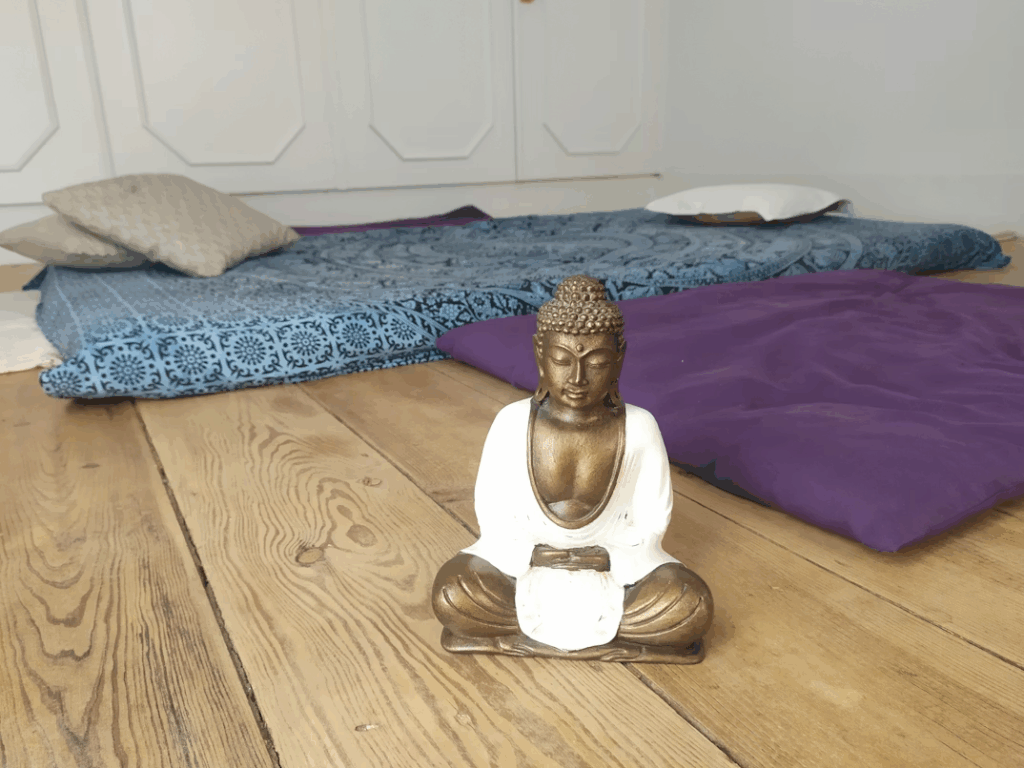

Rest restores your body, softens your mind, and reconnects you with your most authentic self. In simple living, intentional rest is not a reward. It is a sacred practice.
Rest is often treated as something you must earn, as if it is something you get only after finishing every task, answering every message, or proving your productivity. However, when you honor rest as essential rather than conditional, you reclaim balance, dignity, and inner peace in a world that constantly pressures you to do more.
Why Rest Should Come Before Productivity
Many people believe rest comes after work, but the opposite is true: quality work comes after rest. When you are depleted, everything becomes harder—thinking clearly, making decisions, managing emotions, even moving your body. Fatigue distorts your perspective and increases stress.
When you rest before you reach exhaustion, you protect your nervous system. Your breathing steadies, your thoughts become clearer, and your emotions settle. Rest restores your internal foundation so you can move through the world with more presence and less overwhelm.
Seeing rest as sacred means recognizing it as nourishment, not indulgence.
Explore The Mental Health Benefits of Slowing Your Pace to see how moving slower protects your well-being.
Reconnecting With Your Body’s Natural Rhythms
Your body sends signals when it needs rest. Some signals of fatigue include yawns, fogginess, and heaviness. Other signals include negative signs and behaviors such as irritation, tension, or headaches.
Unfortunately, habit, societal pressure, and culture often teach you to override these cues. Honoring rest requires slowing down enough to hear your body’s whispers before they become shouts.
Rest doesn’t always mean sleep. Your body may want:
- stillness
- silence
- gentle movement
- fresh air
- warm light
- a moment of solitude
- a pause from stimulation
These micro-rests throughout your day help regulate your nervous system and prevent burnout. When you listen to your body, rest becomes intuitive rather than forced.
Read Intuitive Rest: Listening When Your Body Says Slow Down to learn more about your body’s rhythms.
Letting Rest Become a Daily Ritual
Treating rest as sacred means weaving it into your daily rhythm rather than waiting for the weekend or vacation. A few minutes of intentional rest can shift your entire mood.
Try incorporating rituals like:
- pausing to breathe deeply between tasks
- sitting in quiet before bed
- creating digital quiet hours
- enjoying a slow morning moment
- lying down for a five-minute reset
- savoring tea or warm water without distraction
These small, consistent pauses help soften your internal pace. They teach your brain that rest is safe, accessible, and allowed. Rest becomes a rhythm of care, not a break from productivity.
To gently reduce mental clutter, check out Digital Quiet Hours: A Modern Approach to Inner Peace.
Rest as a Spiritual and Emotional Practice
Rest creates space for reflection, healing, and self-connection. When your mind isn’t busy, you can hear your intuition more clearly. When your body is calm, your emotions feel less overwhelming. Rest becomes a spiritual act because it honors your inherent worthiness—you deserve care simply because you exist.
This reframing helps dismantle the belief that you must “earn” your rest through exhaustion. Instead, rest becomes an act of self-respect. It becomes a way of saying, “My well-being matters. My energy matters. I matter.”
When you treat intentional rest as sacred, you transform your relationship with time, energy, and self-worth.