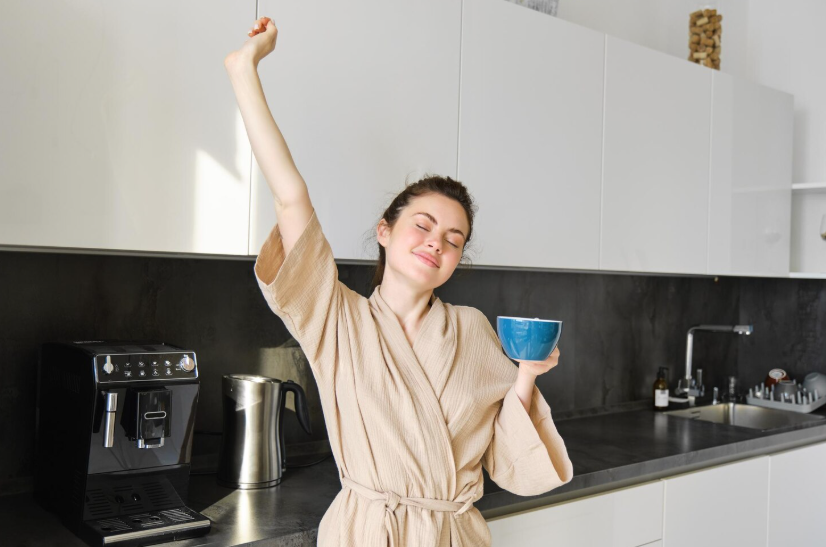

Slowing down is one of the simplest, most powerful tools for supporting mental health. In a culture built on speed, urgency, and constant stimulation, moving at a gentler pace becomes an act of restoration.
When you intentionally slow your body, your thoughts begin to settle, your nervous system softens, and your mind returns to clarity. The mental health benefits of slowing down make this pace not a luxury, but a foundational practice for emotional well-being.
Why a Slower Pace Supports Emotional Regulation
When you rush through your day, your nervous system remains in a state of heightened alert. Even small tasks can feel overwhelming when your body is in a state of stress. Slowing your pace signals safety to your brain. Your breathing deepens, your heart rate steadies, and your mind feels less scattered.
This shift also improves emotional regulation. When you move more slowly, you have time to notice how you feel rather than react impulsively. You become more present with your own needs, whether you require rest, comfort, nourishment, or support. Slowness invites you to pause before responding, helping you navigate your day with greater stability and self-awareness.
Explore The Magic of Slowness: Why Taking Your Time Feels Like a Spell for more insights.
Reducing Mental Overload Through Gentle Rhythms
A calmer pace naturally reduces cognitive overload. Fast living often creates a mental buildup—unfinished tasks, constant notifications, and lingering distractions. When you slow down, your brain can process information more clearly. You remember more, think more intentionally, and feel less mentally cluttered.
Rather than multitasking, you start experiencing tasks one at a time. This not only enhances focus but also restores your mental bandwidth. Something as simple as walking more slowly, eating without distractions, or giving a task your full attention can be a reset for your mind.
Gentle rhythms also create spaciousness in your day. Even if your schedule is packed, slowing your movements and transitions gives your brain small windows of rest.
For gentle ways to support your nervous system, read Intuitive Rest: Listening When Your Body Says Slow Down.
The Body-Mind Connection of Moving Slowly
Your physical pace deeply affects your mental state. Quick movements trigger urgency; slow movements activate calm. This is why practices like stretching, walking, and mindful breathing have such substantial emotional benefits. The body teaches the mind how to feel.
When you slow your physical pace, you may notice:
• tension melting from your shoulders
• less jaw clenching or tightness
• deeper, steadier breaths
• reduced fidgeting and restlessness
• a sense of inner spaciousness
This physical unwinding creates a cleaner mental environment. Slowing down becomes not just a mindset shift, but a physiological tool for grounding and balance.
Don’t miss The Sacred Art of Saying No to protect your time and a slower lifestyle.
Creating Slowness in a Busy Life
You don’t need a completely open schedule to benefit from a slower pace. Minor adjustments create meaningful change. Instead of hurrying from one task to the next, pause for a breath. Instead of rushing through chores, soften your movements. Add pockets of “white space.” These are a few minutes of doing nothing between activities.
Other ways to cultivate slowness include:
• eating one meal a day without screens
• walking at a calm, unhurried speed
• setting gentle rhythms rather than strict schedules
• practicing mindful transitions between tasks
• doing fewer things, but with more presence
• choosing slow rituals like tea, stretching, or journaling
The point isn’t to eliminate responsibility—it’s to move through your life in a way that supports your nervous system rather than overwhelms it.