
A home altar is a small, intentional space dedicated to calm, presence, and grounding. It doesn’t need to be elaborate or tied to a specific spiritual tradition.
In simple living, a home altar serves as a quiet reminder to pause, breathe, and reconnect with yourself. By keeping it minimal, meaningful, and uncluttered, you create a sanctuary within your home, and a place that anchors you amid the noise of daily life.
Why a Home Altar Brings Peace
A home altar provides a physical focal point for stillness. When life feels scattered, having a space designated for reflection or a mindfulness ritual helps steady your mind and emotions. Even a few seconds spent at your altar can shift your energy.
This small space acts as a visual cue: a reminder to slow down, notice your breath, and return to yourself. It helps differentiate between the hectic pace of the external world and the deep calm available within you.
By visiting this space regularly, whether for meditation, prayer, journaling, or simple quiet, you create a grounding ritual that supports emotional balance. Above all, a home altar reflects intention. It’s not about décor; it’s about presence.
Explore Finding Your Inner Sanctuary in Chaotic Times for more ways to steady your inner world.
Choosing the Right Location
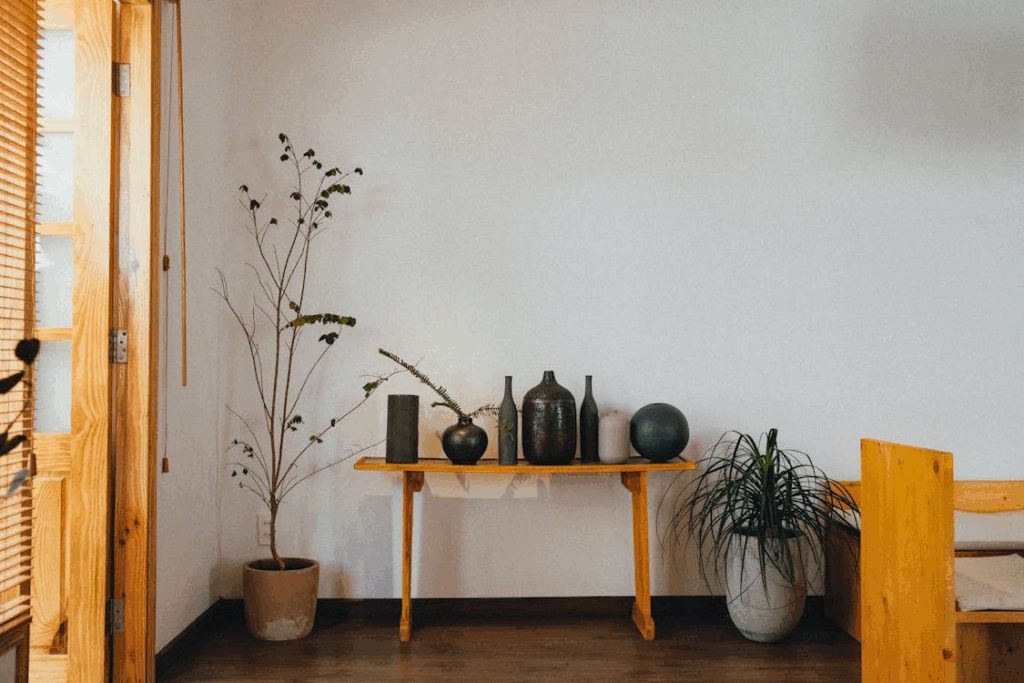
Your altar doesn’t need much room. It can sit on a bedside table, a windowsill, a shelf, a small tray, or a corner of your desk. Choose a spot that naturally invites stillness. It’s best to select a place where you already slow down or where you’d like to create a ritual of pausing.
Ask yourself:
- Where do I feel calm in my home?
- Which corner feels like it wants to hold stillness?
- Where would I naturally return each day?
Once you choose the location, clear the area of unnecessary items so your altar can exist without visual distraction. This preparation of space is part of the ritual itself.
To extend this sense of calm to other corners, see How to Create a Mindfulness Corner at Home.
Keeping Your Altar Minimal and Meaningful
A simple altar becomes powerful through intention, not quantity. Start with only a few items that hold meaning or create a sense of peace:
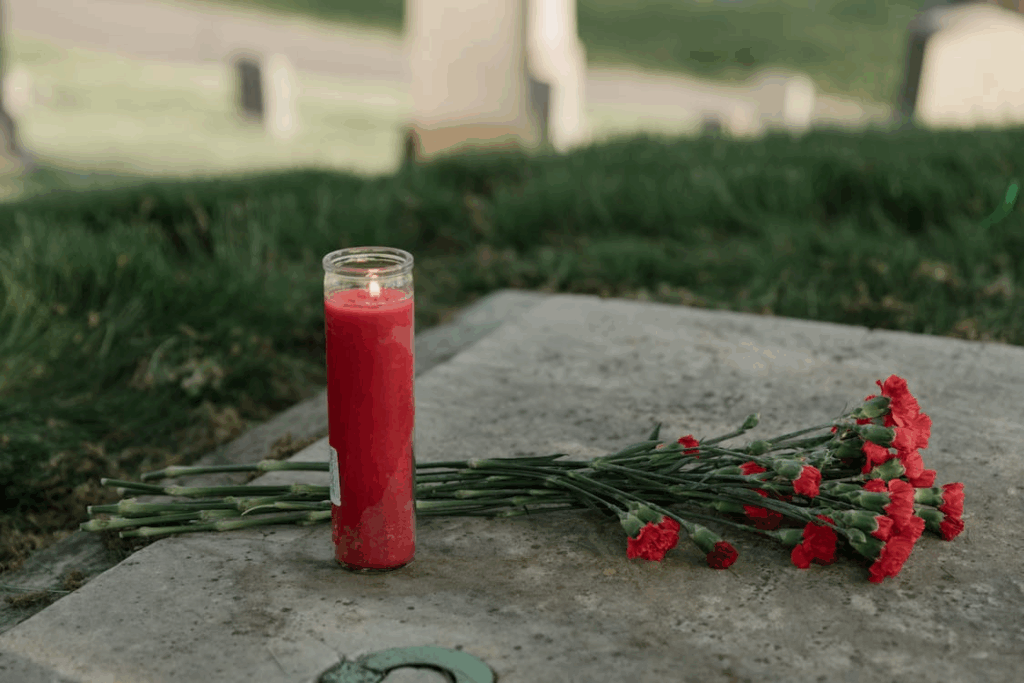
- a candle or soft light
- a natural object like a stone, feather, or plant
- a photo that inspires grounding
- a meaningful symbol or small token
- a journal or comforting book
- a piece of fabric or cloth to define the space
Select items that support your inner quiet, not objects chosen to impress. The emphasis is on resonance. Each item should evoke calm or connection, not clutter.
Over time, you can rotate objects based on seasons, emotions, or your evolving practice. Let the altar breathe and transform naturally.
Turn to A Beginner’s Guide to Mindful Tea Rituals for a gentle ritual that pairs with your alter.
Using Your Altar as a Daily Anchor
Your altar becomes most powerful when woven into your daily rhythm. Visit it during transitions, such as waking up, before meals, after work, or before bed. You can sit for a moment, take a slow breath, or place a hand on your heart.
You might choose to:
- light a candle as a signal to begin or end your day
- set an intention each morning
- place a daily gratitude note on the altar
- breathe deeply for 60 seconds
- reflect quietly without an agenda
These small acts reinforce the sanctuary your altar provides. There are no rules or no pressure; you are simply seeking presence. With consistency, your altar becomes less of a physical space and more of an inner refuge that you carry with you wherever you go.