The emotional weight of clutter affects how you think, how you move through your home, and how you feel in your own body.
Clutter is rarely just about objects. It carries stories, emotions, unfinished tasks, and reminders of who we were, or who we thought we should be. That’s why even small messes can feel heavy. Simple living invites a gentler relationship with your belongings, allowing you to release what drains you and create space for what supports you.
Why Clutter Feels Emotionally Heavy
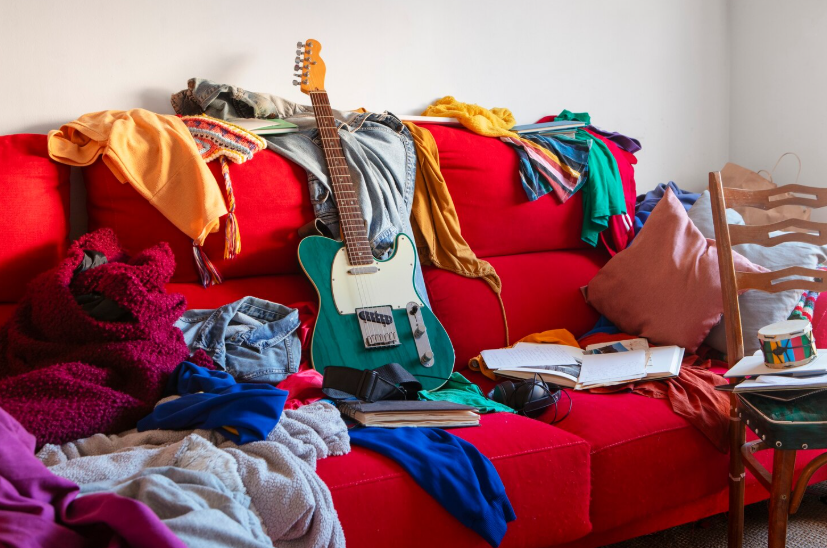
Clutter constantly signals “unfinished business” to the brain. Each item you walk past, such as papers, clothes, projects, or objects without a home, creates a micro-stress response. Over time, this builds into mental fatigue, irritability, or a vague sense of being behind.
Clutter can also trigger guilt (“I should deal with that”), anxiety (“I don’t know where to start”), or avoidance (“I’ll get to it later”). These emotions accumulate, making your space feel heavier than the physical objects themselves.
When your home is filled with things you don’t use or love, it becomes harder to find calm. Visual noise affects your nervous system, keeping your mind on high alert rather than letting it rest.
See Soft Minimalism: A Warmer, Cozier Approach to Less Stuff to explore how fewer items are all you need.
Understanding the Stories Behind What You Keep
Objects often represent more than their function. Gifts can carry obligation. Purchases can have regret. Sentimental items can carry memories you aren’t ready to face. Letting go of clutter is not about discarding everything. It’s about acknowledging the emotional layers attached to what’s in your home.
Understanding these layers helps you make clearer decisions. You might ask:
- Does this still support my life today?
- Am I keeping this out of guilt or obligation?
- Does this object remind me of who I was, rather than who I’m becoming?
- Would I choose this again?
This kind of reflection brings compassion to the decluttering process. Instead of forcing yourself to purge, you release items with understanding and sometimes relief.
For more calm-inducing resets, check out 10 Low-Stress Ways to Reset Your Space After a Chaotic Week.
Lightening Your Space One Gentle Step at a Time
Decluttering doesn’t have to be overwhelming. The key is approaching it slowly and intentionally. Small steps protect your energy and avoid burnout by tackling everything at once.
Try focusing on one small category or area: a single drawer, one shelf, or a surface you see often. With each item you remove, your space feels lighter. These small wins build momentum and create emotional spaciousness.
As you sort, separate items into simple categories: keep, donate, recycle, or release. Keep what supports your current life. Release what feels heavy, outdated, or no longer aligned with who you are. This gentle process allows you to create a home that feels like a refuge rather than a source of stress.
For inspiration on building a home centered on clarity, read Slow Living as a Form of Soul Healing.
Creating a Home That Supports Emotional Ease
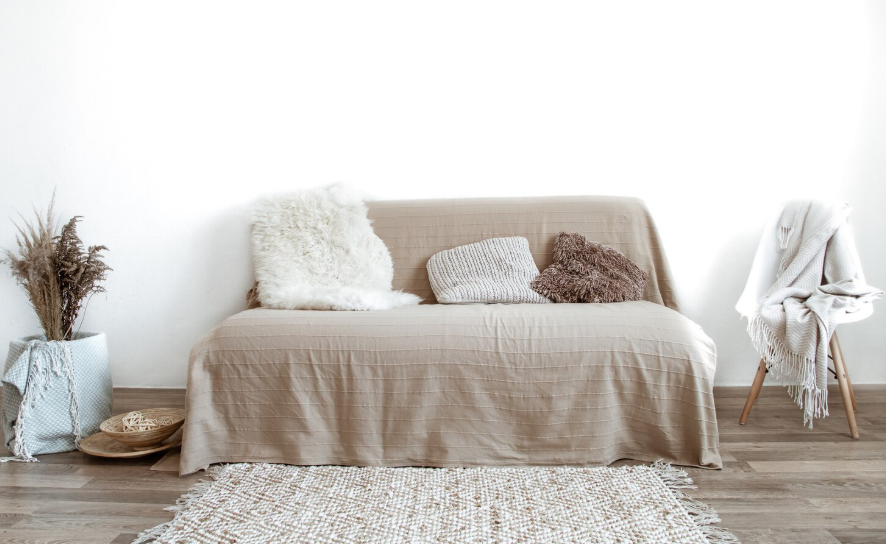
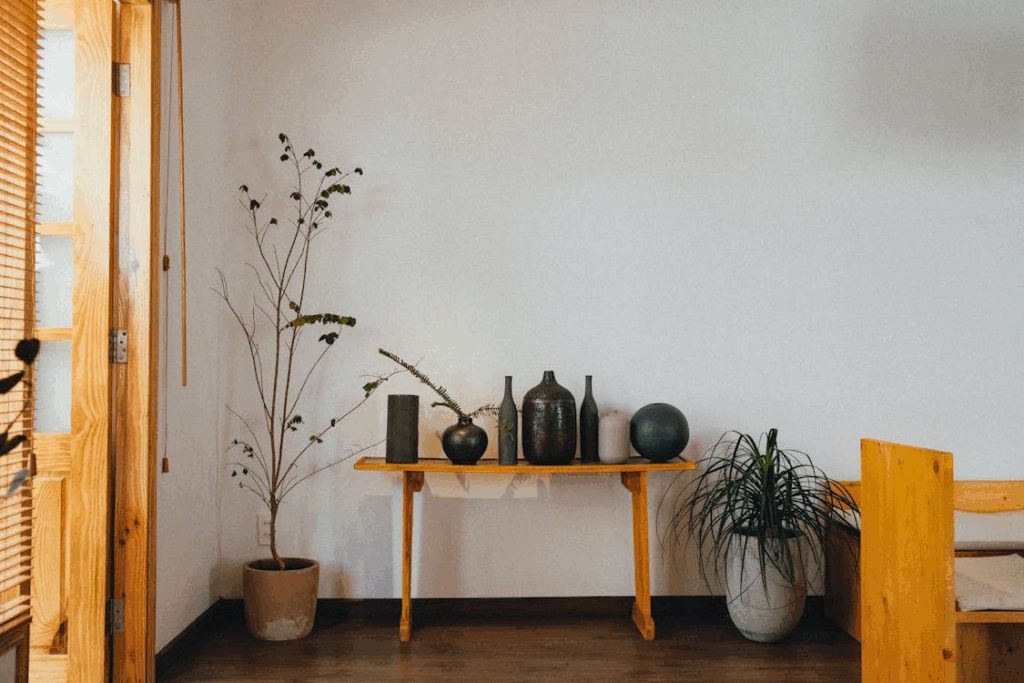
A decluttered space isn’t about minimalism for the sake of aesthetics; it’s about emotional well-being. Clutter-free surfaces help your mind settle. Organized spaces reduce decision fatigue. Open areas invite deeper breaths and quieter thoughts.
As you lighten your home, you also lighten your internal world. You become more present, more grounded, and more connected to the environment you live in every day.
Over time, your home becomes a partner in your well-being, a place that offers calm rather than chaos, and spaciousness rather than overwhelm.