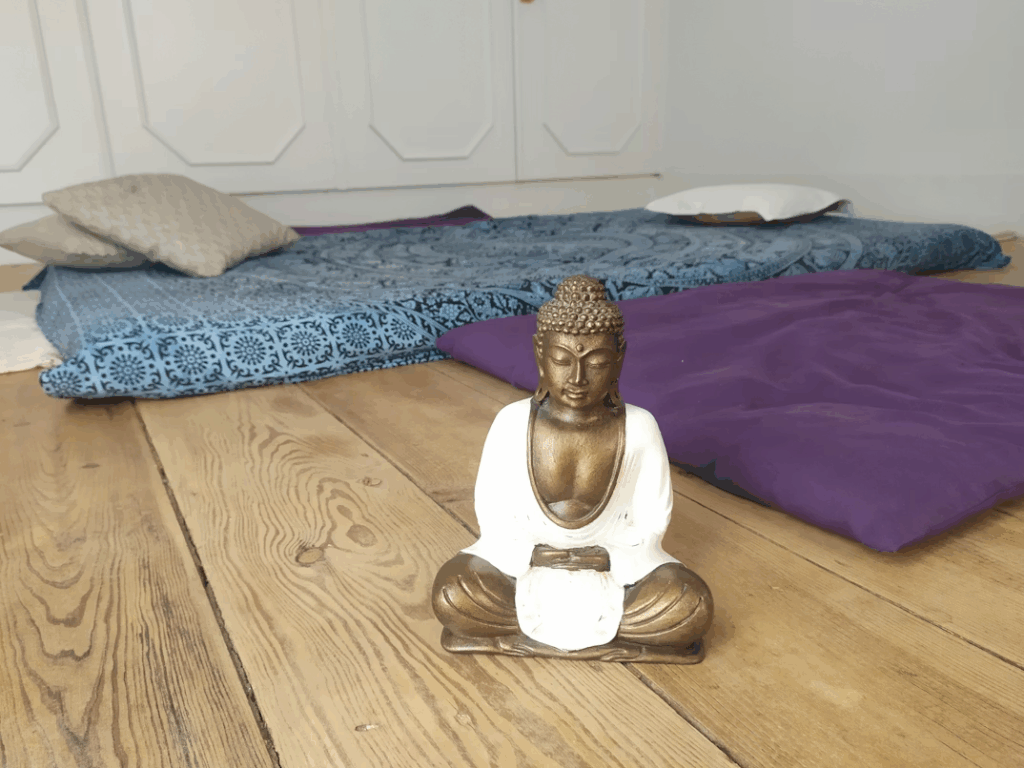

Intuitive rest practice is the art of honoring your body’s natural signals rather than pushing through exhaustion, stress, or overstimulation. It asks you to pause when you need to, soften when you need to, and trust the cues your body gives you.
In simple living, intuitive rest becomes a vital form of self-preservation. Instead of treating rest as a luxury or reward, you begin treating it as nourishment and an essential part of your emotional, mental, and physical well-being.
Why Listening to Your Body Matters
Your body communicates long before your mind catches up. Tight shoulders, shallow breathing, irritability, fatigue, trouble focusing. All of these are early signs that your system needs a break. But modern life often encourages you to override these signals in the name of productivity, obligation, or habit.
Intuitive rest helps you reverse that pattern. By listening to your body in real time, you prevent burnout before it escalates. You learn to support your nervous system rather than overwhelm it. Instead of pushing through, you pause—allowing your body to recalibrate and regain steadiness.
This practice nurtures self-trust, reminding you that your body is not an inconvenience; it’s an intelligent guide.
Explore Why Rest Is a Sacred Practice (Not a Reward) to understand why your need for rest is valid.
Recognizing Your Unique Signs of Fatigue
Everyone’s signals look different. Some people become mentally foggy, others physically tense, and others emotionally sensitive. Noticing your personal patterns helps you respond with more clarity.
Common signs that you need rest include:
• increased frustration or impatience
• difficulty concentrating
• feeling overstimulated by noise or screens
• heaviness in the limbs or chest
• a sense of rushing or urgency
• emotional overwhelm or shutdown
These cues are invitations, not failures. When you honor them, you create space to restore your inner balance.
Intuitive rest also helps you recognize what kind of rest you need: quiet, movement, solitude, fresh air, nourishment, or sleep.
See Intuition 101: How Slowing Down Helps You Hear Yourself for more guidance.
Responding to Your Body with Gentleness
Intuitive rest doesn’t require large blocks of time. Often, even brief pauses can create meaningful restoration. You might take a few deep breaths, lie down for five minutes, step outside for air, stretch gently, or sit in silence.
The key is responding with softness, not judgment. Instead of pushing through fatigue, you might say: “My body needs a moment.” This subtle shift can reshape your entire relationship with productivity.
Resting intuitively also means choosing activities that truly replenish you. Sometimes rest looks like a nap, but other times it may be:
• sipping tea slowly
• taking a warm shower
• listening to calming music
• walking at a gentle pace
• reading something comforting
• doing nothing at all
You learn to rest based on what your body asks for, not on what you think “counts” as rest.
To deepen your connection to rest, read The Magic of Slowness: Why Taking Your Time Feels Like a Spell.
Making Intuitive Rest Part of Your Daily Rhythm
To practice intuitive rest consistently, build minor pause points into your day. These moments help you check in before you reach exhaustion.
Try incorporating:
• morning body scans to sense your energy
• midday rest breaks, even for two minutes
• short evening wind-downs before bed
• regular digital quiet hours
• spacious transitions between tasks
These rhythms create room for your body’s voice to be heard.
Over time, intuitive rest becomes second nature. You move through your day with greater awareness, gentleness, and alignment with your actual energy levels. Instead of resisting your body, you work with it to create a life that feels steadier, kinder, and more sustainable.